
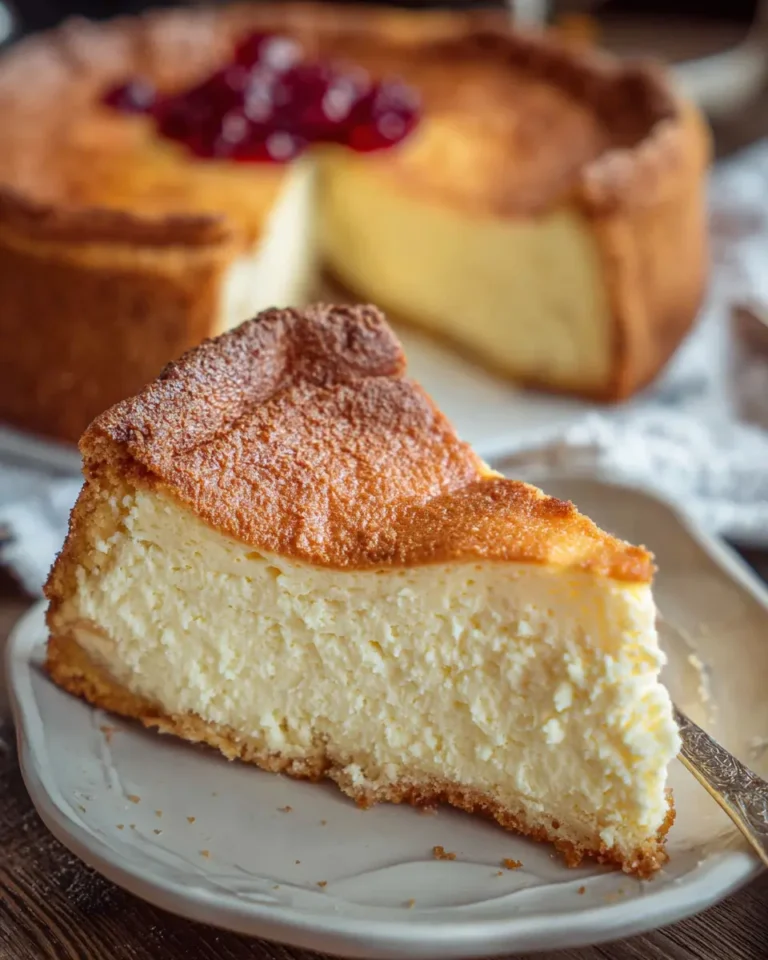
Introduction to German Cheesecake
When you’re searching for that perfect homemade dessert, it often feels like an overwhelming task. Enter the German Cheesecake—a delightful option that not only satisfies your sweet cravings but is also relatively simple to whip up at home! Unlike its denser counterparts, the German Cheesecake offers a light, creamy texture that appeals to both casual snackers and those with a more refined palate.
Why German Cheesecake is the perfect homemade dessert?
One of the best things about German Cheesecake is its unique flavor profile. Made with quark, a type of fresh dairy product, this cheesecake has a tangy taste that sets it apart from typical cheesecakes. It’s like the perfect balance between sweet and tart. If you’ve ever found yourself munching on the classic New York-style cheesecake and thought it was a little too rich, you’re going to love this lighter alternative.
-
Versatile Ingredients: The base often requires simple ingredients you might already have in your fridge and pantry, like eggs, sugar, and flour. You can add seasonal fruits or a drizzle of honey on top for that extra flair!
-
Perfect for Any Occasion: Whether you’re having friends over or just want an indulgent treat after a long week, German Cheesecake fits right in. It’s also a fantastic option if you’re preparing a light meal, as it won’t weigh you down.
-
Healthy Twist: If you’re trying to be health-conscious, quark is lower in fat than cream cheese and offers a boost of protein. It’s also less sweet, allowing you to control how much sugar goes into your dessert.
When planning your dessert menu, consider incorporating this German Cheesecake as your star dish. Many people are familiar with it only through their travels or through secondhand accounts. It’s a gem waiting to be discovered right in your own kitchen!
If you’d like to learn more about the nutritional benefits of quark, check out this comprehensive article on Dairy Discovery.
Now that you’re intrigued, let’s dive deeper into the recipe that makes this cheesecake so beloved!
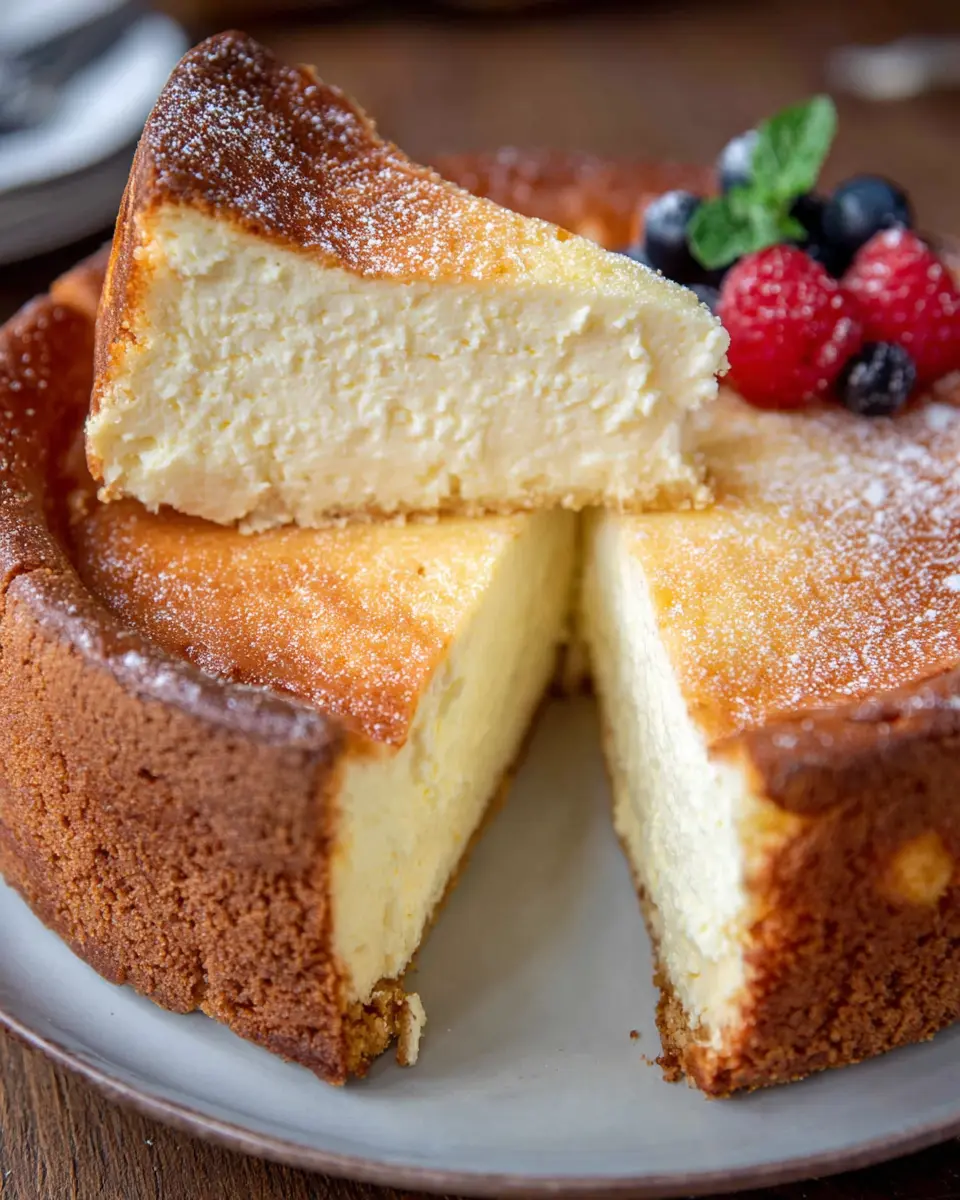
Ingredients for German Cheesecake
Creating a delightful German Cheesecake involves carefully choosing the right ingredients to achieve that rich, creamy flavor it’s famous for. Here’s a quick breakdown of what you’ll need:
For the Crust
- Graham cracker crumbs: About 1 ½ cups, providing that essential crunch.
- Granulated sugar: 1/4 cup to sweeten the crust ever so slightly.
- Unsalted butter: 1/2 cup, melted, which helps bind everything together.
- Salt: A pinch to enhance the flavors.
This simple combination forms the base that perfectly complements the filling. You can even try a nut crust for a unique twist!
For the Filling
- Cream cheese: 2 pounds, at room temperature, ensuring a smooth texture.
- Granulated sugar: 1 cup to bring out the sweetness.
- Sour cream: About 1 cup for that iconic tanginess, very important in a German Cheesecake.
- Eggs: 4 large eggs, one at a time, to keep the mixture light.
- Vanilla extract: 2 teaspoons to add warmth and depth.
- Lemon juice: 2 tablespoons for a refreshing zing.
Mix these ingredients with care, and you’ll create a cheesecake that’s bound to impress. For tips on perfectly mixing these components, check out The Kitchn for additional insights on achieving cheesecake perfection!
Step-by-step Preparation of German Cheesecake
Creating a delectable German Cheesecake is a rewarding experience that combines simple ingredients to create something truly delightful. Whether you’re impressing friends or indulging in a personal treat, follow these easy steps to achieve a beautiful and creamy cheesecake.
Prepare the Dough
To start, you’ll need to whip up a classic shortcrust pastry for your base. Here’s what you need:
- 200g all-purpose flour
- 100g cold butter, cubed
- 70g powdered sugar
- 1 large egg yolk
- A pinch of salt
In a large mixing bowl, combine the flour and powdered sugar. Add the cubed butter and rub it into the flour until you achieve a sandy texture. Stir in the egg yolk and salt, mixing until the dough comes together. If necessary, add a tablespoon of cold water to help bind it. Once formed, wrap it in cling film and refrigerate for about 30 minutes. This step ensures you have a flaky, tender crust.
Preheat the Oven
While the dough is chilling, preheat your oven to 180°C (350°F). A properly heated oven is crucial for achieving that perfect, golden crust. Set the timer for a reminder; it’s easy to forget when you’re caught up in the excitement of baking.
Roll Out and Fit the Dough
Once your dough has chilled, it’s time to roll it out on a floured surface. Aim for a thickness of about 2-3mm. You want it thin but sturdy enough to hold the rich filling. Gently place the rolled dough into a greased 9-inch springform pan, carefully pressing it into the edges. Trim any excess dough hanging over the sides, but don’t worry about perfection; rustic charm is part of the cake’s appeal!
Prepare the Filling for Your German Cheesecake
Now, let’s focus on the star of the show: the filling. Here’s what you’ll need:
- 600g cream cheese (at room temperature)
- 200g sour cream
- 150g sugar
- 3 large eggs
- 1 tsp vanilla extract
- Zest of 1 lemon (optional for a zestier kick)
In a mixing bowl, beat the cream cheese until smooth and creamy. Gradually add the sugar, followed by the sour cream, beating until well combined. Incorporate the eggs one at a time, mixing thoroughly after each addition. Finish with the vanilla extract and lemon zest. The filling should be light and airy, ready to get cozy with that crust you prepared earlier.
Assemble the Cheesecake
Pour the smooth filling into the prepared crust, smoothing the top with a spatula. Tap the pan gently on the counter to release any air bubbles. If you love a little texture, consider swirling in some fruit sauce or a sprinkle of crushed nuts for added flavor and presentation.
Bake to Perfection
With your cheesecake now assembled, place it in the preheated oven. Bake for about 50-60 minutes, or until the edges are set but the center still has a slight wobble. This is where the magic happens! The cheesecake will firm up as it cools, so don’t worry if it seems a bit soft.
Cool Gradually
Once baked, turn off the oven and crack the door open, allowing the cheesecake to cool gradually for about an hour. This slow cooling helps prevent cracks on the surface. Remember, patience is key here!
Chill for the Ultimate Finish
After the cheesecake has cooled to room temperature, cover it with plastic wrap and chill in the refrigerator for at least 4 hours, or overnight if you can wait. This chilling stage allows the flavors to meld beautifully, resulting in a cheesecake that’s simply irresistible.
Now, slice into your masterpiece! This German Cheesecake can be served plain, or dressed up with fresh berries or a drizzle of chocolate sauce. Enjoy every creamy bite, and watch it become a favorite dessert among your family and friends.
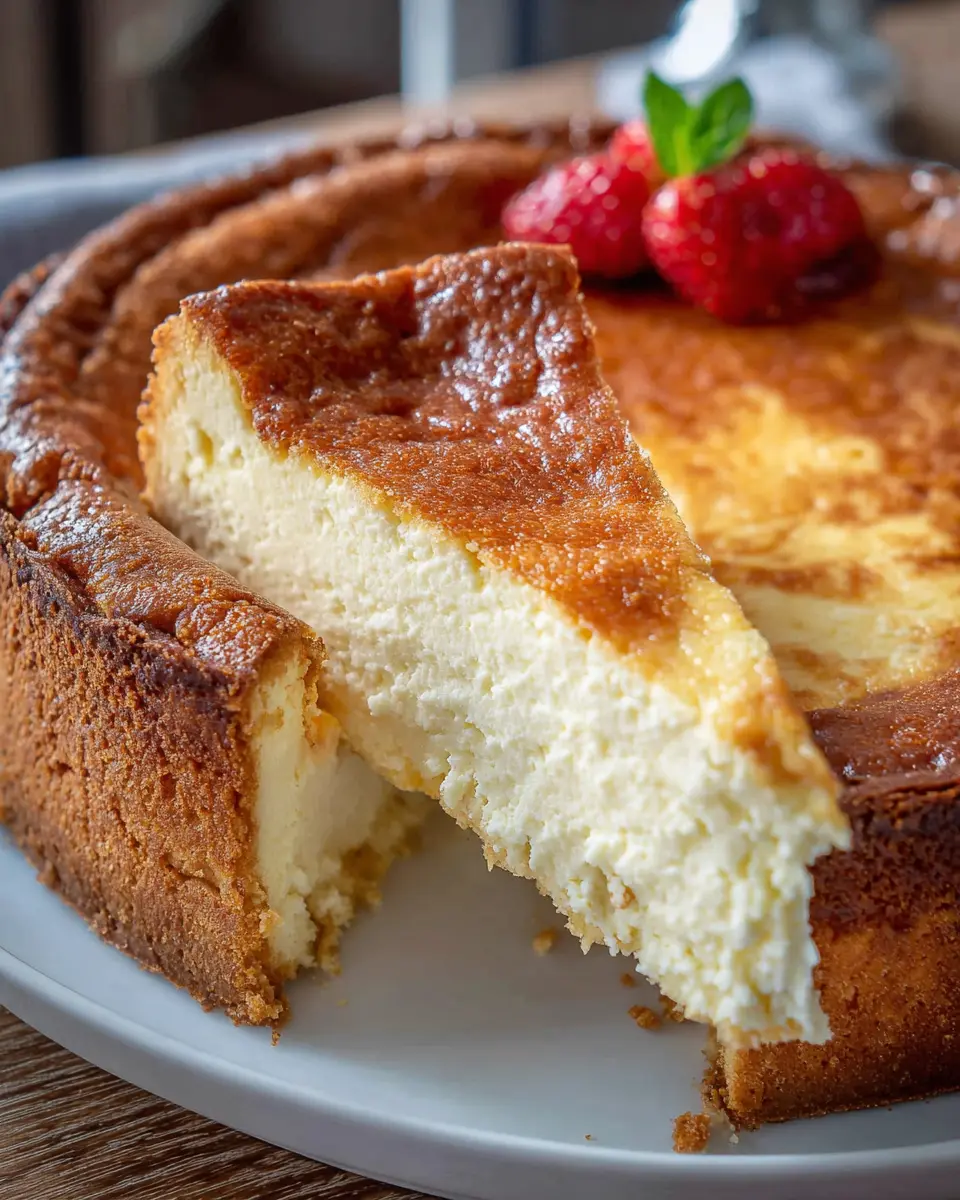
Variations on German Cheesecake
Gluten-free German Cheesecake
If you’re navigating gluten sensitivities but can’t resist the allure of a classic German cheesecake, you’re in luck! Switching up the crust to accommodate a gluten-free lifestyle is simple.
- Use almond flour or a gluten-free biscuit blend instead of traditional graham crackers.
- Incorporate coconut flour for a hint of sweetness and a unique flavor profile.
Another tip? Ensure your baking powder is gluten-free—checking labels can really make a difference. A study from the American Journal of Clinical Nutrition highlights that gluten-free diets can sometimes lack essential nutrients, so consider pairing your cheesecake with a fruit topping rich in antioxidants, like berries, for that added health boost.
Chocolate Marble German Cheesecake
Craving a twist on the classic? A chocolate marble German cheesecake could be your new go-to! Combining creamy cheese with rich chocolate can elevate your dessert game. Here’s how to do it:
- Prepare your traditional cheesecake batter.
- Melt dark chocolate and swirl it into the batter before baking.
- For a stunning presentation, create a marble effect using a knife—this not only looks great but also adds that decadent chocolate flavor.
This variation is perfect for gatherings or cozy nights in, allowing you to impress friends or spoil yourself. Did you know that studies suggest that dark chocolate may have heart-health benefits? So indulge guilt-free, knowing you’re treating yourself well.
With these variations, you can enjoy the delightful world of German cheesecake in creative and health-conscious ways. Want more inspiration? Explore classic cheesecake recipes at BBC Good Food.
Cooking Tips and Notes for German Cheesecake
How to Prevent Cracks
Cracks can be the bane of a beautiful German Cheesecake, but with a few easy techniques, you can achieve that flawless look. First, ensure your ingredients are at room temperature, which promotes even mixing and baking. When baking, place a shallow pan of water in the oven to create a steamy environment; this helps keep the cake moist. Lastly, avoid overmixing and whisking too vigorously, as this can incorporate too much air. A gentle touch is key!
Perfecting the Creamy Texture
A rich and creamy texture is the hallmark of a great German Cheesecake. Start by using high-quality cream cheese and be sure to blend it until it’s smooth to avoid lumps. Adding sour cream or Greek yogurt can enhance creaminess while balancing sweetness. When baking, consider lowering the temperature and extending the time. A slow bake ensures that lovely creaminess without the risk of drying out.
For more tips and techniques, consider exploring resources like Bon Appétit or Serious Eats. Happy baking!
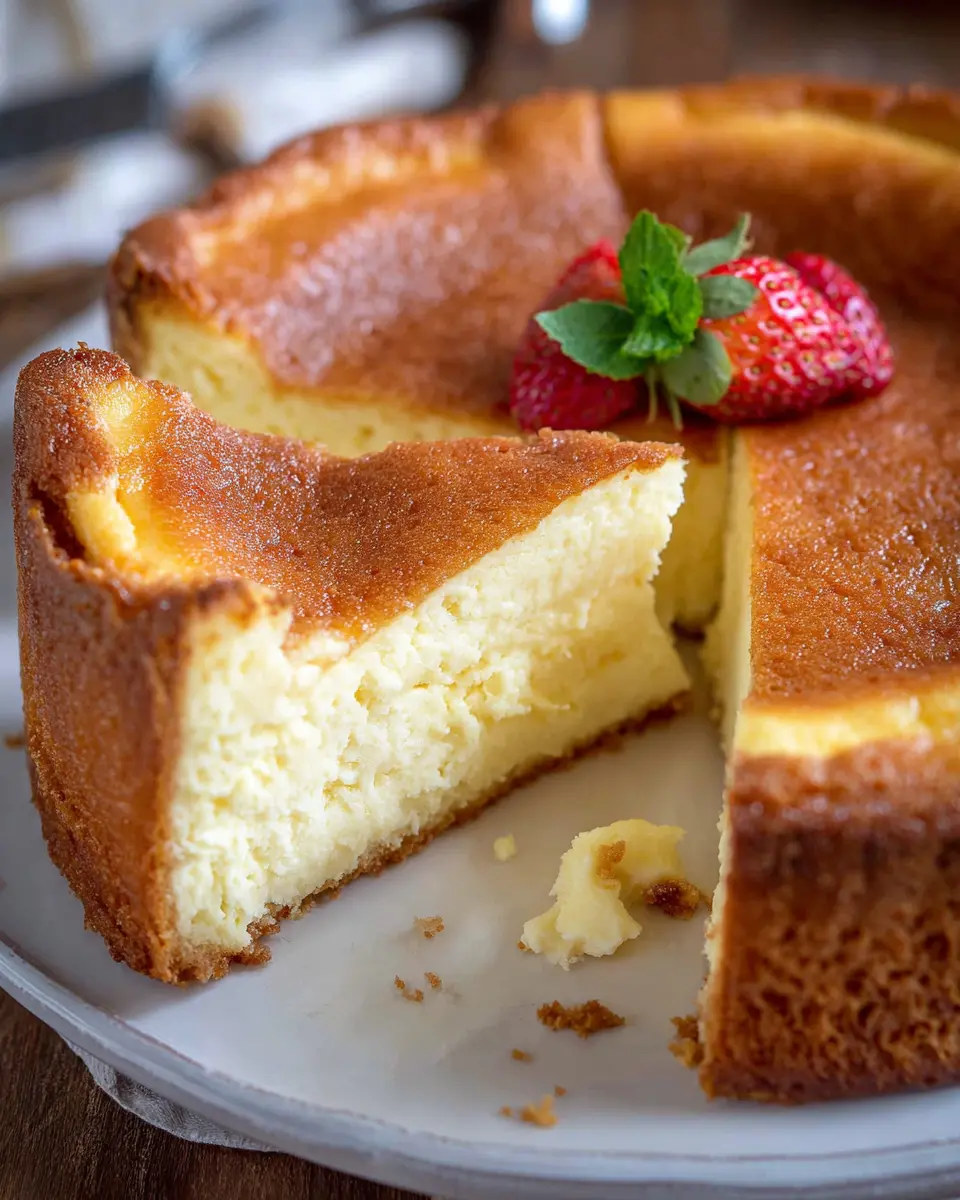
Serving Suggestions for German Cheesecake
When it comes to German Cheesecake, the right serving suggestions can elevate your dessert experience to whole new heights. Here are some fantastic ideas to enhance your enjoyment and impress your guests!
Toppings to Consider
Toppings can significantly impact the flavor profile of your German Cheesecake. Here are a few options to explore:
- Fresh Berries: Strawberries, raspberries, or blueberries add a tart contrast that balances the rich creaminess.
- Chocolate Ganache: A drizzle of rich chocolate sauce can satisfy even the most intense sweet cravings.
- Caramel Sauce: A sweet, buttery caramel topping brings warmth and depth to your cheesecake.
- Whipped Cream: Light and airy, this classic topping adds a beautiful finish.
Perfect Pairings for a Delightful Experience
Pair your German Cheesecake with refreshing beverages that complement its rich texture. Consider serving it with:
- Coffee or Tea: A strong cup of coffee or herbal tea enhances the overall flavors.
- Sparkling Water: To cleanse the palate between bites, opt for a flavored sparkling water.
- Fruit Juices: Freshly squeezed juices, like orange or apple, add a vibrant touch and balance the sweetness.
Experimenting with these combinations can turn your dessert into an unforgettable experience! For more creative ideas on serving desserts, check out Serious Eats for inspiration.
Time Breakdown for German Cheesecake
When making a delicious German Cheesecake, timing is everything. Here’s how to plan your baking adventure to ensure a delectable outcome:
Preparation Time
Getting started is usually the longest part. Set aside about 20-30 minutes to gather your ingredients, preheat your oven, and prepare your pan. It’s a great time to put on some music or a podcast!
Cooking Time
Baking the cheesecake takes around 50-60 minutes. You’ll want to keep an eye on it to ensure it’s perfectly baked—the edges should be set while the center remains slightly jiggly.
Chilling Time
After baking, the German Cheesecake needs to chill in the fridge for at least 4 hours, but overnight is even better for the flavors to develop.
Total Time
In total, you’re looking at approximately 5-6 hours to fully prepare, cook, and chill your cheesecake. It sounds like a commitment, but the reward is absolutely worth it. For more about cheesecake techniques, check out Chef Steps for tips and tricks!
Nutritional Facts for German Cheesecake
Calories per slice
A single slice of delectable German Cheesecake typically contains around 300-400 calories. This makes it a relatively indulgent dessert, ideal for special occasions or a satisfying treat after a long week. Keep in mind that portion size plays a significant role in overall calorie intake, so enjoying just a slice can help you savor this delightful dessert without going overboard.
Key nutritional components
When it comes to the nutritional profile of German Cheesecake, here are some key components to consider:
- Protein: A slice can provide about 7-10 grams of protein, thanks to rich ingredients like cream cheese and eggs.
- Fat: It contains approximately 20-25 grams of fat, combining saturated fats from dairy products.
- Carbohydrates: A typical serving has around 25-30 grams of carbohydrates, primarily from the crust and sugar.
- Calcium: The dairy base contributes significantly to calcium intake, making this dessert a tasty way to support your bone health.
As you enjoy this rich dessert, remember that balance is essential. Pairing it with a fresh fruit compote or a dollop of yogurt can add a nutritional boost and cut through the richness. If you want to learn more about the overall nutritional benefits of dairy, check out this study by the American Journal of Clinical Nutrition.
Don’t hesitate to indulge occasionally; life is all about balance!
FAQ about German Cheesecake
What is Quark, and can I substitute it?
Quark is a creamy, fresh cheese that plays a central role in traditional German cheesecake. Its mild flavor and unique texture contribute to that signature lightness. If you can’t find quark at your local grocery store (perhaps try a specialty store or an online retailer like Amazon), you can substitute it with a mixture of cream cheese and sour cream or Greek yogurt. A common ratio is 2 parts cream cheese to 1 part sour cream. This swap may slightly alter the flavor and texture, but you’ll still end up with a delicious cake!
How long does German Cheesecake last in the fridge?
Once your German cheesecake is baked and cooled, it can be stored in the fridge for about 4 to 5 days. Be sure to keep it covered or in an airtight container to prevent it from absorbing other fridge odors. If you’re unsure about its freshness, always give it a sniff—trust your senses!
Can I make German Cheesecake ahead of time?
Absolutely! One of the best things about German cheesecake is that it tastes even better after a day in the fridge, as the flavors meld. You can make it up to two days in advance. Just allow it to cool completely before wrapping it tightly and storing it in the fridge. A little tip: if you’re prepping it for a special occasion, why not also try garnishing it with fresh fruit or a berry compote just before serving? It adds a lovely touch!
For more information on cheesecake origins and variations, check this article that dives deeper into cheesecake history and recipes. Your German cheesecake journey is just beginning!
Conclusion on German Cheesecake
Why you’ll love making this cheesecake at home!
Creating German Cheesecake in your own kitchen is not only fulfilling but also incredibly rewarding! With its rich, creamy texture and delightful tang, it’s a dessert that pleases a crowd and makes an impression at gatherings.
- Simplicity: You don’t need to be a seasoned baker; this recipe is straightforward and perfect for beginners.
- Customizable: Want to add a twist? Feel free to incorporate flavors like lemon zest or even chocolate!
Plus, there’s something special about sharing your homemade treats with friends and family. Dive deeper into German desserts and explore this guide on Authentic German Cuisine. Trust me, once you try this cheesecake, it’ll become a staple in your dessert repertoire!
PrintGerman Cheesecake Delight: Easy, Creamy Recipe for Homemade Bliss

Indulge in the creamy, rich flavors of a traditional German cheesecake that is perfect for any occasion.
- Prep Time: 20 minutes
- Cook Time: 60 minutes
- Total Time: 4 hours 20 minutes
- Yield: 8 servings 1x
- Category: Dessert
- Method: Baked
- Cuisine: German
- Diet: Vegetarian
Ingredients
- 200 grams digestive biscuits
- 100 grams unsalted butter, melted
- 400 grams cream cheese
- 200 grams sour cream
- 150 grams granulated sugar
- 3 large eggs
- 1 teaspoon vanilla extract
Instructions
- Preheat your oven to 175°C (350°F).
- Crush the digestive biscuits and mix with melted butter to form a crust.
- Press the crust mixture into the bottom of a springform pan.
- In a mixing bowl, beat together cream cheese, sour cream, sugar, eggs, and vanilla until smooth.
- Pour the filling over the crust in the springform pan.
- Bake for 50-60 minutes until set and lightly golden on top.
- Let it cool, then refrigerate for at least 4 hours before serving.
Notes
- For extra flavor, consider adding some lemon zest to the filling.
- Make sure all ingredients are at room temperature for a smoother mixture.
Nutrition
- Serving Size: 1 slice
- Calories: 350
- Sugar: 20 grams
- Sodium: 300 milligrams
- Fat: 25 grams
- Saturated Fat: 15 grams
- Unsaturated Fat: 8 grams
- Trans Fat: 0 grams
- Carbohydrates: 30 grams
- Fiber: 1 gram
- Protein: 7 grams
- Cholesterol: 100 milligrams
Keywords: German Cheesecake, cheesecake recipe, homemade dessert